Unlocking Philanthropic Potential:
Why Donor Wealth Screening Matters
Luisa Adrianzen Guyer, Vice President
Arts and culture organizations often collect individual donor data but may not transform that information into actionable strategies and moves management plans that result in new and increased contributions. Donor research, sometimes referred to as “wealth screening,” can transform data into deeper donor relationships and more confident fundraising decisions. In today’s arts and culture sector, understanding donors, as well as those individuals who are ticket buyers or members with regular commitment and/or connection to an organization, is essential. For many small and mid-sized nonprofit arts organizations, conducting detailed donor research can seem out of reach. Staff are already stretched thin, and budgets are tight. Development teams often find they must juggle fundraising, grant reporting, and community engagement all while supporting programming initiatives.
Understanding and identifying existing and potential individual donors remains a critical consideration for virtually all nonprofit organizations. As Peter Frumkin notes in Strategic Giving: The Art and Science of Philanthropy, “Contrary to the perceived importance and publicity garnered by the giving of large foundations and corporations, individuals constitute the majority of all giving. Much of the giving … is local and focuses on organizations…to which contributors have some connection.”[1]
Without a clear understanding of those supporters, how they connect with an organization’s mission, and what drives their giving, opportunities for major gifts or long-term relationships can easily slip away. In a competitive philanthropic landscape, knowledge about donors is not a luxury, it’s a strategic advantage.
The Strategic Value of Donor Wealth Screening
Filla and Brown describe a “sea change in the way prospect research is being applied in fundraising” in their book, Prospect Research For Fundraisers: The Essential Handbook. Evolving from what was previously a “back-office function or service,” the authors say that today, the breadth, depth, and scope of prospect research has evolved and now serves as “a transformational springboard for fundraising success for organizations that invest appropriately and strategically.”[2]
Central to this sea change is donor wealth screening, which involves using public and third-party data to analyze regular individual supporters, ticket buyers, and members in an organization’s database signal indicators that those individuals may be able and willing to give a new or increased major gift, which is a vital part of an effective fundraising strategy[3]. Donor research helps nonprofit and university-affiliated arts organizations translate data into understanding by exploring a prospective donor’s capacity, philanthropic interests, and connection to organizational mission, as well as highlighting the donor’s propensity to give. This information then helps development teams and Board leadership answer such critical questions as: Who is most likely to give? How much might they contribute? And when is the right time to reach out to ask for a gift? Those gifts could be of appreciate stock holdings, real estate, estate giving, or cash from the sale of a privately owned business, among other opportunities.
Donor research insights also help identify alignment between donor interests and an organization’s programming, allowing for more meaningful engagement. According to the Association of Fundraising Professionals, “Donor retention and acquisition remain key challenges for the social sector, with declining donor numbers and retention rates impacting overall fundraising effectiveness.”[4]
Understanding a donor’s potential and maintaining authentic relationships can be key to driving long-term success. In arts and culture organizations, where giving is deeply driven by relationships and passion, donor research and deeper wealth screening from publicly accessible sources helps an organization connect with that passion and capacity, and allows it to communicate impact in ways that are both personal and strategic.
Understanding Wealth Screening and Why It Matters
Wealth screening services aggregate information from a range of trusted data sources to build a clearer picture of a donor’s financial and philanthropic profile. ACG’s partnership with Kindsight Information Systems ensures access to continuously updated information from leading providers such as Dow Jones, Candid (Guidestar), VeriGift, Dun and Bradstreet, Refinitiv, DatabaseUSA, and Elections Canada.
- Affinity: The strength of the donor’s connection to a cause or organization
- Capacity: The donor’s ability to provide financial support
- Propensity: The donor’s likelihood or inclination to give
Key public data sources can include property records, business affiliations, stock ownership, board memberships, political contributions, and prior charitable giving. Information is drawn from such databases as Dow Jones, Dun & Bradstreet, VeriGift, and Manifold, among others. These factors are often summarized into a Prospect Score, a tool that provides a snapshot of an individual’s overall giving potential. Many systems generate Recency, Frequency, and Monetary (RFM) scores based on an organization’s internal giving records, analyzing how recently, often, and at what level an individual has contributed.
Discovering Hidden Donor Potential
Many nonprofits may overlook the untapped potential within their current supporter base. Longtime members, subscribers, volunteers, and past donors may have the resources and the interest to give more than they currently do.
By comparing internal donor lists with wealth screening data, arts and culture organizations can uncover insights that might otherwise remain hidden. For example, a regional theater could screen its subscriber list and discover that a loyal audience member serves on the board of a family foundation that supports arts education. This single insight could lead to a conversation that results in a multi-year grant supporting the theater’s education program, which would otherwise have been missed .
Donor research and analysis transform fundraising from reactive to strategic. Instead of waiting for donors to self-identify, leadership teams can identify and prioritize prospects who have both the capacity and the inclination to support their mission.
Turning Data into Strategy
The true value of donor wealth screening lies not just in the data it provides, but in how arts and culture organizations apply it. When integrated thoughtfully, wealth screening informs every stage of the fundraising cycle, from prospect identification to solicitation and stewardship.
When used strategically, these insights may inform every stage of fundraising, including:
- Prioritizing donor portfolios based on both affinity and capacity.
- Customizing communications to align with donor interests.
- Timing solicitations to coincide with major life or professional milestones.
- Identifying potential planned giving donors and prospective board members.
- Empowering development leaders with data-informed understanding of the overall donor landscape.
For smaller arts and culture organizations, this process can dramatically improve the development team’s efficiency. Screening data streamlines prospect research supports more confident decision-making, and equips both staff and board members with the knowledge needed to build stronger relationships.
In addition, donor research and complementary wealth screening is a valuable training and motivational tool, providing executive and development teams, board members, and volunteers with a robust foundation for discussions about fundraising strategy, as well as to cultivate shared understanding and enhancing engagement.
As nonprofit strategist Sarah Durham notes, “Data without strategy is wasted potential. The real power comes from using what you learn to build authentic relationships and ask thoughtfully.”[5]
Building Culture of Donor-Centric Fundraising
Beyond individual giving or major gift campaigns, wealth screening encourages a broader cultural shift toward a data-driven and donor-centered approach to fundraising decisions. It inspires development teams to make informed, strategic choices that are grounded in evidence rather than assumptions. Board members can see a clearer picture of the donor base and focus their efforts on where — and with whom — they may have the greatest impact. This approach builds organizational confidence and efficiency. By periodically refreshing wealth screening data, arts and culture nonprofit organizations maintain a current understanding of their evolving donor community and ensure that time and resources are directed toward the most promising opportunities.
From Insight to Impact
Ultimately, donor wealth screening is about people, not numbers. When done successfully, it helps arts and culture organizations deepen their relationships with supporters, connect donors’ passions with meaningful giving opportunities, and build sustainable, long-term support. In an environment where individual giving accounts for most of the philanthropic income, leveraging donor wealth screening enables organizations to identify capacity, understand motivation, and inspire generosity.
When insights lead to action, data becomes more than information; it becomes connection. Strategic donor wealth screening helps arts and culture organizations turn understanding into engagement, and then engagement becomes lasting impact. When applied thoughtfully, it strengthens donor relationships, informs decision making, and builds long term sustainability. At its core, this work reminds us that effective fundraising begins not with transactions, but with meaningful human relationships that advance the arts and enrich communities.
[1] Frumkin, P., Strategic Giving: The Art and Science of Philanthropy, University of Chicago Press, 2008
[2] Filla, J. and Brown, H., Prospect Research for Fundraisers: The Essential Handbook, Wiley & Sons, 2013
[3] Wealth Screening vs. Prospect Research: Know the Difference, AFP Global, Sandra Davis
[4] Association of Fundraising Professionals, Fundraising Effectiveness Project Report, 2023
[5] Sarah Durham, “The Art of Asking: Turning Data into Donor Relationships,” Nonprofit Quarterly, 2024
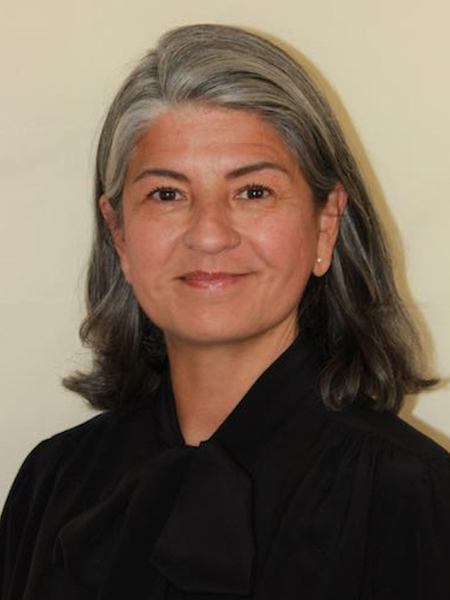 Luisa Adrianzen Guyer, Vice President
Portland, Oregon
Luisa Adrianzen Guyer brings to ACG over 30 years of experience in optimizing organizational performance, allocating resources, and cultivating donor and client relationships grounded in shared goals and values. Adrianzen Guyer has held numerous senior positions at organizations across the public, private, and nonprofit sectors. Her expertise lies in enhancing operational efficiency, implementing data-driven strategies, and designing robust contingency plans. Before her current role as Vice President at ACG, Adrianzen Guyer made significant contributions to the firm as a Senior Advisor, playing an instrumental role in the successful completion of numerous projects. Her recent roles as a nonprofit executive and fundraiser include Director of Development at Portland Center Stage, Executive Director for North America at French American Museum Exchange, Executive Director at Converge 45, Director of Development and Communications at SPOON, Associate Director of Development at the Portland Art Museum, and Director of Development at Portland Institute for Contemporary Art. Prior to joining the nonprofit field, Adrianzen Guyer served as Head of Chancery at the Luxembourg Trade and Investment Office & Consulate General in San Francisco and promoted business development at independent film and commercial production companies in Los Angeles. As a community leader, she serves on the Development Committee of the Portland Art Museum and the Art Task Force of Central City Concern. Adrianzen Guyer is a dual Peruvian and first-generation United States citizen, having been born in Buenos Aires, Argentina, and raised in Lima, New Orleans, and Miami. Adrianzen Guyer holds a bachelor’s degree in economics from the University of Fribourg, Switzerland, and is fluent in Spanish, English, and French.
Contact ACG for more information on how we can help your organization with Donor Insights and Wealth screening services.
(888) 234.4236
info@ArtsConsulting.com
ArtsConsulting.com
Click here for the downloadable PDF.