

Art Gallery of Alberta
Deputy Director and Chief Operating Officer
Position Summary
The Deputy Director and Chief Operating Officer (Deputy Director & COO) will be an innovative yet practical leader who embraces a vision for the Art Gallery of Alberta (the AGA) that focuses on the diverse community it serves. In close partnership with and reporting to the Executive Director & Chief Curator, the Deputy Director & COO will oversee all financial, facility, technology, marketing, communications, and human resource aspects of the AGA, as well as streamline operational activities that best meet both community and organizational needs. This includes reassessing and reinvigorating retail, restaurant, art sales, art rentals, events, venue rentals, and other revenue generating enterprise initiatives while ensuring the highest caliber visitor experience and market visibility for the AGA. The Deputy Director & COO will also collaborate closely with Exhibitions & Collections, Education & Learning, and Development & Donor Engagement, all of whom report to the Executive Director & Chief Curator, to integrate all areas of the AGA with a unified team that is focused on the AGA’s long-term capital needs embedded in a solid strategic direction.
Organization
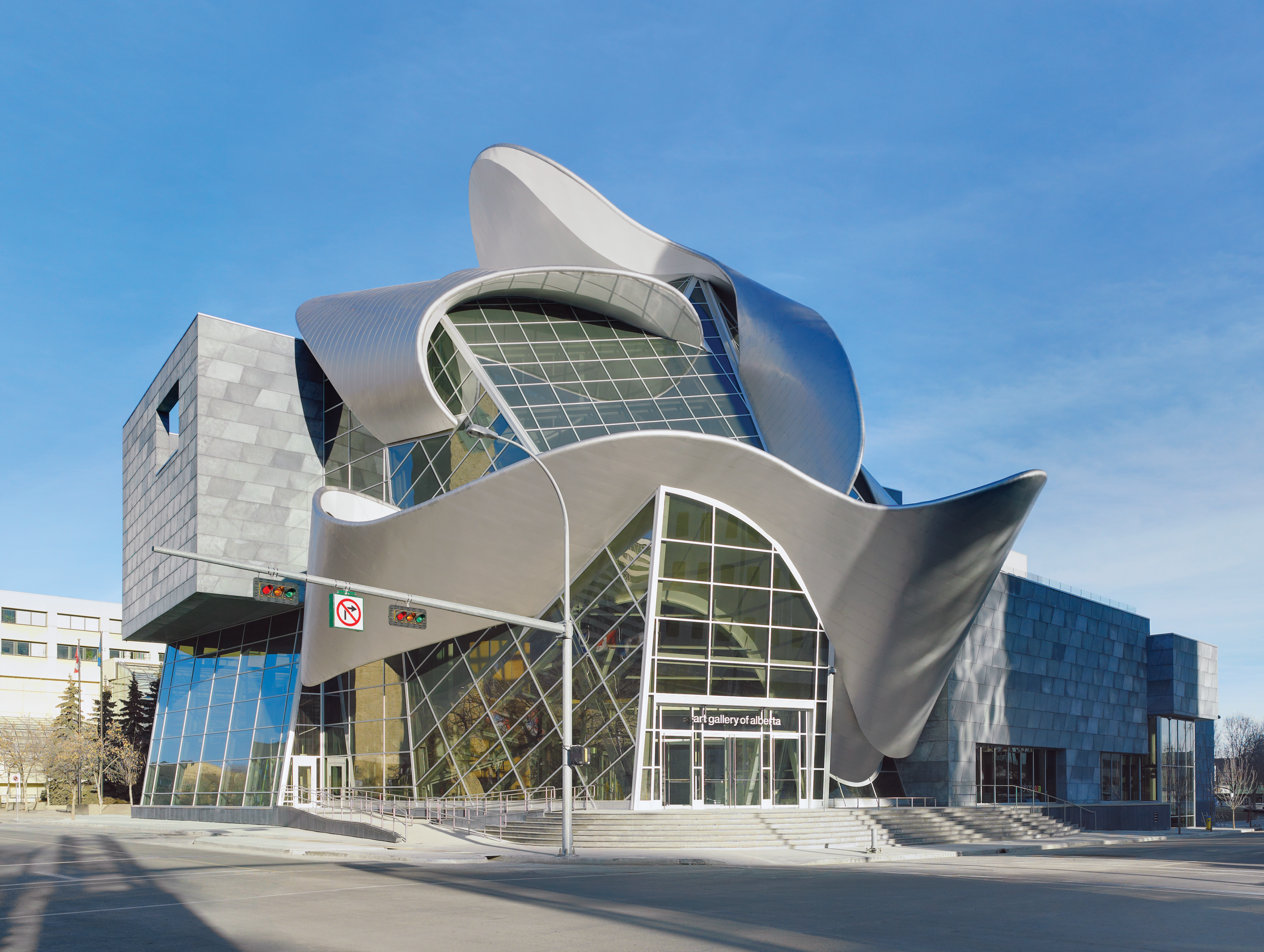
The Art Gallery of Alberta is dedicated to excellent and innovative practice in programming, stewardship, and presentation of visual arts in Western Canada and throughout the nation. Located in downtown Edmonton, the AGA is adjacent to Sir Winston Churchill Square and City Hall Plaza, home to many world-class festivals and community events. Serving audiences across Alberta and beyond, the AGA creates a welcoming and engaging environment where people are motivated to transform their understanding of the world by connecting with visual arts. It envisions a future in which it will be the creative hub of Alberta, inspiring imaginations, engaging generations, and transforming people’s lives through art. The AGA’s strategic priorities are focused on sustainability, engagement, and inspiration as a destination cultural attraction.
Founded in 1924 as the Edmonton Museum of Arts Association, the organization was established by influential Edmonton citizens who viewed the AGA as a means to “promote the knowledge and enjoyment of, and cultivation of the fine arts and to preserve historical relics.” Over the course of its history, the AGA occupied several locations, including the Hotel Macdonald and Secord House, where it became known as the Edmonton Art Gallery. In 1969, the AGA opened its first purpose-built facility on Sir Winston Churchill Square, designed by Edmonton architect Don Bittorf. The building received national and international recognition and marked a major milestone in the AGA's evolution as a modern art museum.
As the AGA grew, so did its permanent collection, which expanded through significant acquisitions and donations from artists, collectors, and supporters across Canada. The collection came to include important works by notable Canadian and international artists such as Emily Carr, Lawren Harris, Maxwell Bates, David Milne, Jack Bush, Kenneth Noland, and Frederick Verner, alongside a substantial photography collection featuring both Canadian and American photographers. By the early 2000s, the AGA's growing collection and aging facilities demonstrated the need for a larger, state-of-the-art building capable of meeting international museum standards and supporting a contemporary vision for public engagement with the arts.
In 2005, Los Angeles-based Randall Stout Architects was selected from an international competition to design the AGA’s new facility. That same year, the Edmonton Art Gallery was officially renamed the Art Gallery of Alberta in recognition of a $15 million contribution from the Province of Alberta. Construction on the new building began in 2007, and the reimagined Gallery officially opened to the public on January 31, 2010. Today, the AGA has approximately 20,000 square feet of exhibition space over six galleries and serves as one of Canada’s premier visual arts institutions housing a collection of more than 6,500 works of art of Albertan origin (40%), Canadian origin (37%), and international original (23%). Approximately 25% of these works are pre-WWII, 37% from 1946-1980, 31% from 1981-2000, and 7% in the 21st century, and the collection encompasses a wide range of media ranging from paintings & drawings (36%) to printmaking (32%) to photography (25%), among others. The AGA has approximately 3,800 members and presents local and touring exhibitions, educational initiatives, and public programs that engage diverse communities and inspire generations through art.
The AGA has an 18-member Board of Directors led by Co-Chairs Peggy Garritty and Sheila O’Brien, and Catherine Crowston serves as Executive Director and Chief Curator in overseeing approximately 29 full-time employees in addition to a variety of part-time employees and volunteers. For the fiscal year ending December 31, 2025, the AGA reported total operating, endowment, and capital revenues of $8.1 million, with 47% from contributions, membership, and special events; 36% from government grants; 9% from admissions, public programs, retail, art sales, art rentals, and catering; and 8% from investments and other income.
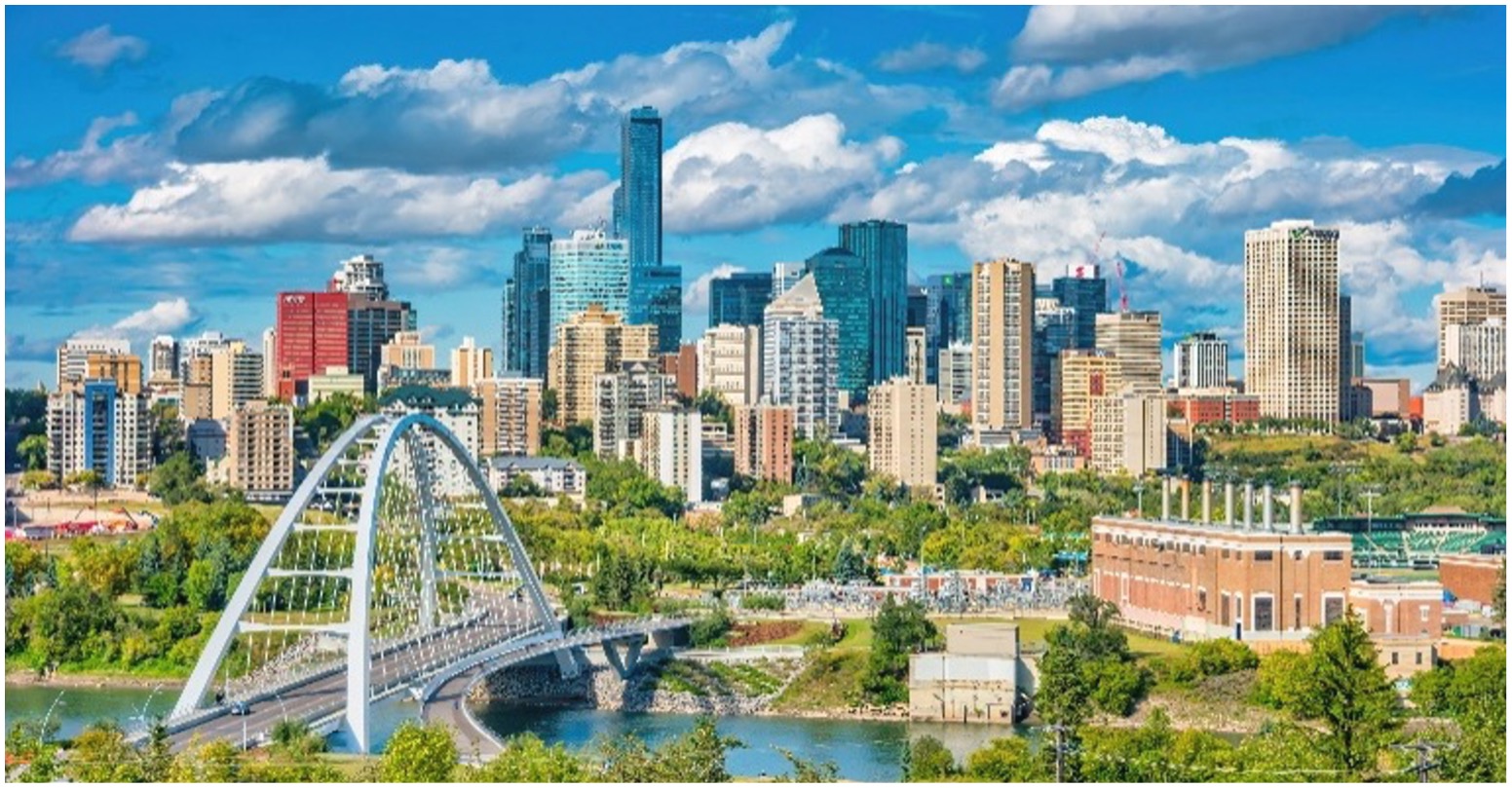
The Art Gallery of Alberta is committed to promoting diversity and representativeness within our organization. We strive to provide and maintain a fair and equitable environment for all by valuing and respecting individual differences for our enrichment and that of the community we serve. The AGA respectfully acknowledges that we are located on Treaty 6 Territory, the traditional land of diverse Indigenous peoples, including the Cree, Nitsitapi / Blackfoot, Metis, Nakota Sioux, Iroquois, Dene, Ojibway/ Saulteaux/Anishinaabe. We also acknowledge all the Indigenous, Inuit, and Metis peoples who make Edmonton their home today. The Art Gallery of Alberta is an equal-opportunity employer serving diverse communities.